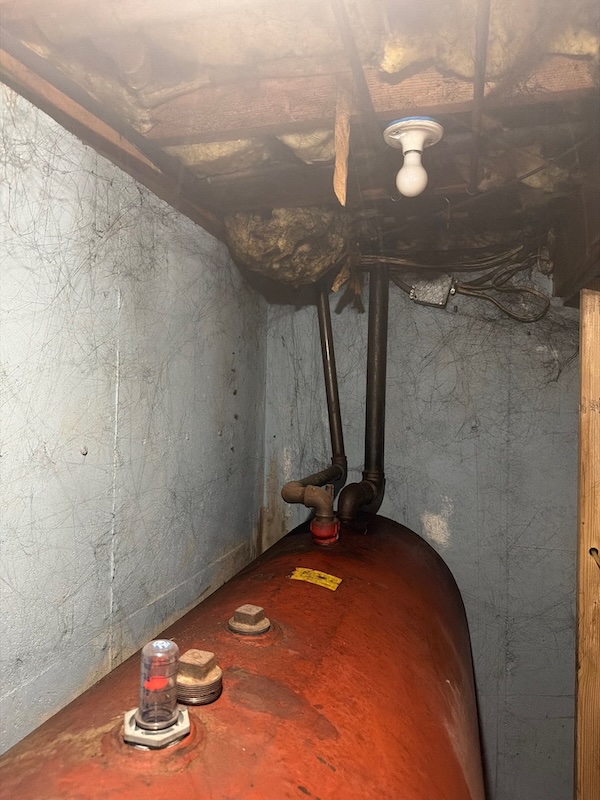
Furnace puff backs can cause extensive soot, smoke, and fire damage to homes and businesses—often when homeowners least expect it. Oil-burning furnaces and boilers that have been inactive for months can experience problems when they are started for the first time during the colder months. The resulting puff back can spread soot and smoke throughout a property, damaging walls, ceilings, furniture, clothing, electronics, appliances, HVAC systems, and personal belongings.
For homeowners and business owners, the cost of cleaning, repairing, and replacing damaged property can be substantial. In some cases, the damage may be significant enough to warrant filing an insurance claim. Furnace puff backs are extremely common at the start of winter.
Landmark Public Adjusters provides independent inspections and claim assistance for residential and commercial furnace puff back and fire-related losses. Unlike an insurance company’s adjuster, a public adjuster works on behalf of the policyholder to document covered damage and help present the claim to the insurance company.
Furnace Puff Back Insurance Claims
An oil burner may puff back when accumulated soot, oil vapor, or other combustion-related problems cause a delayed ignition. After sitting unused for an extended period, a furnace or boiler may experience a malfunction when it is restarted. Mechanical problems involving the nozzle, electrodes, filters, seals, or other components can also contribute to a puff back.
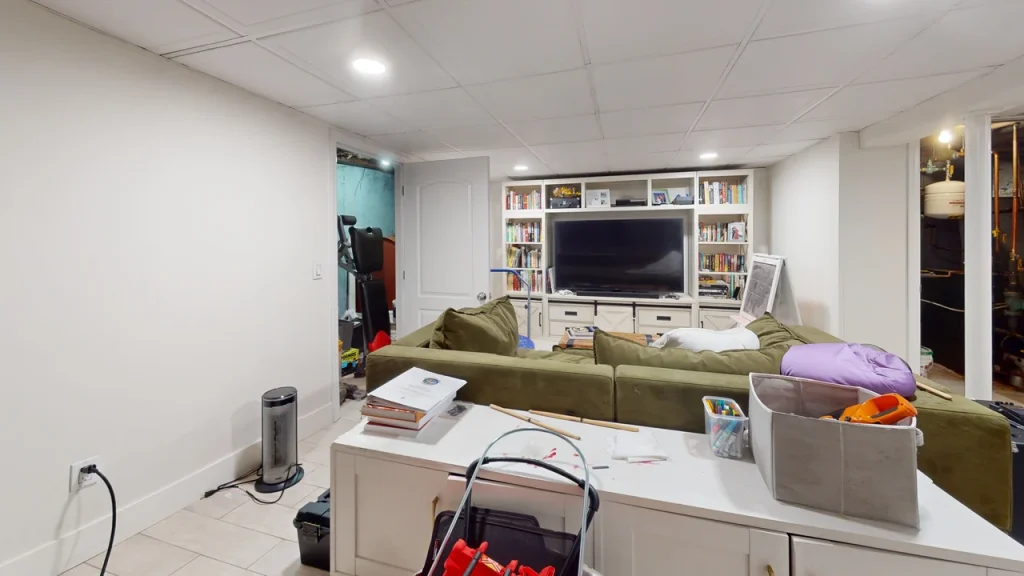
The resulting blast can force soot and smoke into the boiler or furnace room and, in some cases, through the property’s heating system and ductwork. Even when there is little visible fire damage, soot and smoke can affect large portions of a home or commercial property.
Depending on the size of the property and the extent of the loss, cleanup and restoration costs can become substantial. A damaged or destroyed furnace may also require replacement, with the cost of a new system varying considerably based on the property’s size, system requirements, and installation conditions.
What Causes an Oil Burner Puff Back?
Routine maintenance can help reduce the risk of furnace problems, but mechanical failures can still occur. Common factors associated with oil burner puff backs include:
- Extended periods without use – Furnaces and oil burners that sit unused during the warmer months may encounter problems when restarted.
- Clogged nozzles or filters – Restricted fuel flow or poor combustion can contribute to ignition problems.
- Seal or component failures – Damaged seals and other mechanical components can interfere with proper operation.
- Misfires or delayed ignition – An unsuccessful ignition followed by the accumulation of fuel can result in a sudden ignition.
- Oil vapor buildup – Accumulated fuel vapor can ignite and create a pressure event commonly referred to as a puff back.
A blocked or improperly maintained chimney or flue can also create ventilation and combustion problems. Homeowners should have heating equipment and chimneys inspected and serviced by qualified professionals before the heating season begins.
Recognizing Oil Burner Puff Back Damage
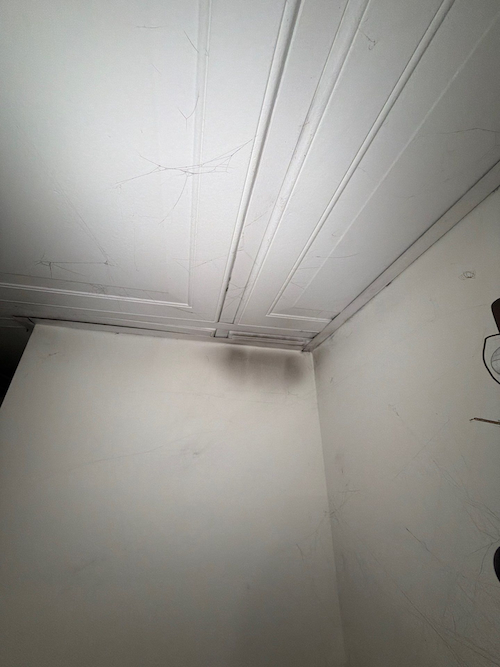
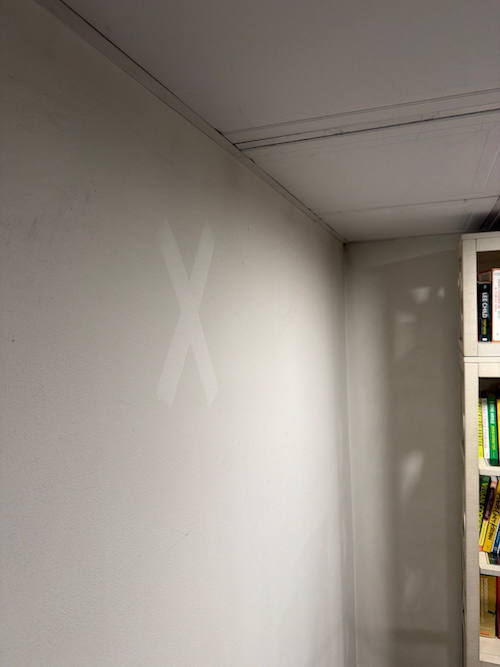
A puff back can produce more than an unpleasant odor. Soot and smoke may travel beyond the furnace room and settle on surfaces throughout the property.
Common signs of a furnace puff back include:
- Black or gray soot on walls, ceilings, and other surfaces
- Oily or smoky residue
- A strong smoke or fuel odor
- Soot inside or around heating ducts
- Discoloration of furniture, carpeting, curtains, and clothing
- Damage to appliances and electronics
- Damage to HVAC equipment
- Visible fire or heat damage around the furnace or boiler
- A loud bang or explosion-like sound when the system starts
Even when damage appears limited, soot particles can spread into areas that are difficult to see. Professional inspection and documentation can help identify the full scope of the loss.
What Should You Do After a Furnace Puff Back?
If a furnace or oil burner experiences a puff back, safety should come first. If there is an active fire, smoke, or suspected carbon monoxide hazard, leave the property and contact emergency services as appropriate.
Once the property is safe:
- Have the heating system inspected by a qualified HVAC professional.
- Do not operate a damaged furnace until it has been determined to be safe.
- Photograph and document visible damage.
- Keep damaged items when it is safe to do so, unless they present a health or safety hazard.
- Take reasonable steps to prevent additional damage.
- Notify your insurance company promptly and review your policy’s requirements.
- Keep receipts for emergency repairs, temporary housing, cleaning, and other related expenses.
- Consider obtaining an independent assessment of the damage before the claim is finalized.
Insurance coverage for furnace puff back losses depends on the specific circumstances of the incident and the terms, conditions, exclusions, and endorsements in the policy. Soot and smoke damage resulting from a covered event may be treated differently from damage caused by maintenance issues, wear and tear, or excluded conditions. A policy review is important before assuming that a particular loss is covered. Landmark Public Adjusters in New York and New Jersey have extensive knowledge of insurance policies from carriers in the Northeast. Discuss the details of your policy with a qualified public adjuster before submitting an insurance claim.
Independent Public Adjusters for Oil Burner or Furnace Puff Back Claims
After a major furnace puff back, it can be difficult to determine the full extent of the damage while also dealing with repairs, temporary relocation, and an insurance claim.
An insurance company’s adjuster investigates the loss on behalf of the carrier. A public adjuster, on the other hand, represents the policyholder. Landmark Public Adjusters can independently inspect the property, document damaged contents and building components, help develop a detailed inventory of the loss, and assist with presenting and negotiating the insurance claim.
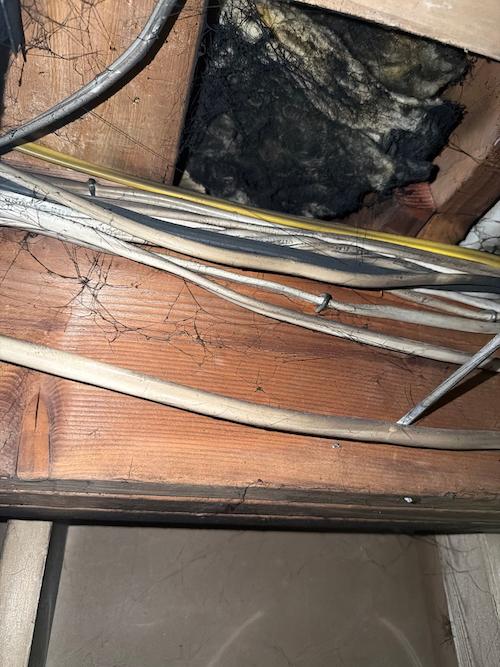
Visible damage may include walls, ceilings, flooring, furniture, and personal belongings. Less obvious losses can involve electronics, appliances, HVAC systems, ductwork, and other building components.
A comprehensive claim should account for the damage that can be reasonably documented and supported under the terms of the applicable insurance policy.
Furnace Puff Back Claims in New York and New Jersey
Landmark Public Adjusters assists homeowners and businesses with property damage claims throughout New York and New Jersey, including Suffolk County, Nassau County, Long Island, Manhattan, Queens, Brooklyn, the Bronx, Monroe County, Bergen County, and surrounding areas.
If your home or business has experienced a furnace or oil burner puff back, an independent evaluation can help you understand the extent of the damage and the documentation needed to pursue your insurance claim.
Contact Landmark Public Adjusters to discuss your furnace puff back, soot, smoke, or fire damage insurance claim in New York or New Jersey.